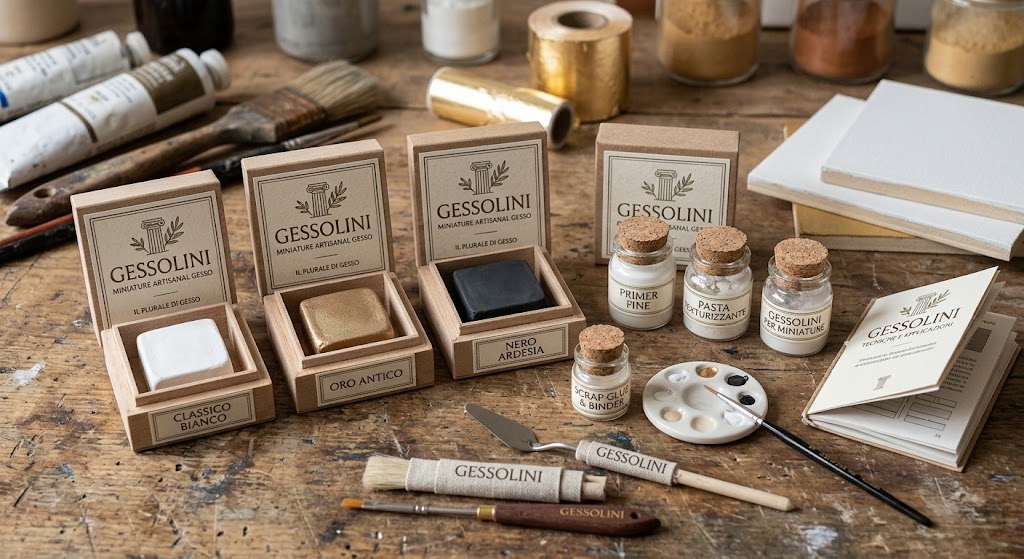
What Is Gessolini?
Gessolini is a term connected with the Italian word gesso, traditionally referring to chalk, gypsum, or plaster-based artistic materials. The word is often described as a refined or smaller expression of gesso, suggesting delicate plaster elements, fine detailing, and careful craftsmanship.
The meaning of gessolini can vary depending on the context. In some discussions, it refers to fine plaster sticks or detailed gesso-based materials used by artists. In others, it represents a broader design philosophy focused on texture, craftsmanship, natural materials, and timeless beauty.
At its core, gessolini represents an appreciation for details that are easy to overlook. It is about surfaces that feel human. A slightly imperfect wall finish. A carefully prepared artwork. A handmade object created with patience instead of speed.
That is why interest in gessolini has grown among artists, interior designers, and people interested in slow design principles. It reflects a movement away from mass-produced sameness and toward meaningful materials with character.
The Meaning and Origin of Gessolini
The linguistic roots of gessolini come from gesso, an Italian term associated with chalk and plaster. The ending “-lini” functions as a diminutive form in Italian, creating the sense of something smaller, finer, or more delicate.
Historically, gesso played an important role in European art. Artists used gesso preparations as a foundation layer before applying paint, gold leaf, or decorative finishes. The smooth surface helped create durability and allowed painters to achieve greater detail.
During periods such as the Renaissance, Italian artists relied heavily on carefully prepared surfaces. Wood panels, sculptures, and decorative objects often required layers of preparation before receiving their final artistic treatment.
The modern interpretation of gessolini builds on that tradition. Instead of focusing only on the technical material, it highlights the philosophy behind traditional craftsmanship:
- Preparation before creation
- Respect for natural textures
- Attention to small details
- Long-lasting design over temporary trends
Gessolini vs Traditional Gesso: What Is the Difference?
Many people confuse gessolini with regular gesso. They are closely related concepts, but they are not always identical.
Traditional gesso is a broad category of artistic preparation materials. It is commonly used as a primer for surfaces such as canvas, wood panels, and decorative objects.
Gessolini, depending on usage, generally suggests something more refined, detailed, or specialized. It emphasizes delicate application, texture, and craftsmanship rather than simply preparing a surface.
A simple comparison:
| Feature | Traditional Gesso | Gessolini Concept |
|---|---|---|
| Main purpose | Surface preparation | Fine detail and refined texture |
| Common materials | Gypsum, chalk, binders | Fine plaster-based materials or decorative interpretations |
| Style | Functional foundation | Artistic expression |
| Focus | Creating a workable surface | Creating character and visual depth |
The difference is not always about chemistry. Often, it is about intention.
A standard gesso layer prepares something for art. A gessolini-inspired approach celebrates the preparation itself as part of the beauty.
How Gessolini Is Used in Art
Artists value gessolini-inspired techniques because texture can completely change how a finished piece looks and feels.
A perfectly flat surface reflects light differently from a textured one. Small variations create shadows, depth, and movement. This allows artists to create work that feels more dimensional.
Common artistic applications include:
- Painting surfaces: Creating a unique foundation before adding pigments
- Sculptural details: Adding refined plaster textures and decorative elements
- Mixed-media artwork: Combining mineral surfaces with paint, gold leaf, or natural materials
- Restoration projects: Supporting traditional approaches to preserving historic aesthetics
The appeal is simple: texture creates emotion.
A viewer may not consciously notice the surface preparation, but they often feel the difference between something mass-produced and something carefully made.
Gessolini in Interior Design
One of the biggest areas where gessolini ideas appear today is interior design.
Modern interiors are moving beyond completely smooth, artificial surfaces. Many designers are embracing materials that create warmth and sensory experiences.
A gessolini-inspired interior often includes:
- Textured plaster walls
- Matte mineral finishes
- Natural stone-inspired surfaces
- Handcrafted decorative details
- Neutral and earthy color palettes
Designers use these elements to create spaces that feel calm and timeless rather than temporary.
A plain painted wall can disappear into the background. A carefully finished textured wall becomes part of the atmosphere of the room.
This approach aligns with broader trends such as:
- Slow living design
- Sustainable architecture
- Minimalist interiors
- Artisan craftsmanship
- Biophilic design principles
The goal is not to make a room look expensive. The goal is to make it feel intentional.
Why Gessolini Appeals to Modern Designers
The popularity of gessolini reflects a larger cultural shift.
People are increasingly interested in objects and spaces that tell a story. They want materials with visible craftsmanship instead of perfect but anonymous finishes.
Several factors explain the growing interest:
1. A Desire for Authentic Materials
Synthetic materials often prioritize convenience and low cost. Natural plaster, stone, wood, and handmade finishes offer something different: uniqueness.
No two handmade surfaces age exactly the same way.
2. The Return of Texture
For years, minimalist design often meant completely smooth surfaces. Today, many designers are introducing texture to make minimalist spaces feel warmer.
Texture adds personality without requiring excessive decoration.
3. Sustainability Concerns
Traditional mineral-based materials are often valued because they can be durable and have a lower environmental impact compared with some synthetic alternatives.
However, sustainability depends on the specific materials, production methods, and sourcing practices involved.
How to Incorporate a Gessolini Style at Home
You do not need a complete renovation to introduce gessolini-inspired design ideas.
Small changes can create a similar feeling:
- Choose handcrafted ceramics instead of mass-produced decorations.
- Add walls with subtle plaster textures.
- Use natural fabrics such as linen and cotton.
- Select furniture with visible craftsmanship.
- Focus on fewer, higher-quality pieces.
The key principle is restraint.
Gessolini is not about filling a space with decoration. It is about allowing materials, texture, and craftsmanship to speak.
Common Mistakes When Using Gessolini-Inspired Design
Although the style looks simple, achieving the right balance requires care.
Mistake 1: Making Everything Textured
Texture works because it creates contrast. Covering every surface with heavy texture can make a room feel overwhelming.
Mistake 2: Choosing Artificial Imitations
A plastic finish designed to look handmade usually misses the point. The appeal comes from authenticity.
Mistake 3: Ignoring Function
Beautiful materials still need to work practically. A design should support daily life, not make it harder.
Mistake 4: Treating It as a Temporary Trend
The strongest element of gessolini is its connection to traditional craftsmanship. It works best when viewed as a long-term design philosophy.
The Future of Gessolini
The future of gessolini will likely depend on how designers continue combining traditional methods with modern technology.
Digital tools, sustainable materials, and new manufacturing techniques may help more creators experiment with plaster-based textures and artisan-inspired finishes.
However, the central idea will remain unchanged:
Beauty comes from thoughtful creation.
Whether applied to artwork, architecture, furniture, or decorative objects, gessolini represents a preference for depth over speed and craftsmanship over convenience.
Frequently Asked Questions About Gessolini
What does gessolini mean?
Gessolini is connected to the Italian word gesso, meaning chalk or plaster. It is often used to describe refined plaster elements, fine artistic materials, or a design approach centered on craftsmanship and texture.
Is gessolini the same as gesso?
No. Gesso is the broader category of artistic preparation materials. Gessolini is generally presented as a more delicate or refined interpretation associated with detailed work and decorative craftsmanship.
Can artists use gessolini techniques?
Yes. Artists interested in textured surfaces, mixed media, and traditional preparation methods can explore gesso-inspired techniques to create unique finishes.
Is gessolini only used in Italy?
No. While the term has Italian roots, modern interest in gessolini-inspired design appears internationally through art, interiors, and handcrafted design movements.
Why is gessolini becoming popular?
Gessolini is gaining attention because many people are looking for authentic, tactile, and sustainable alternatives to mass-produced design. Its focus on craftsmanship fits current interests in slow living and meaningful spaces.
Conclusion: Should You Explore Gessolini?
Gessolini represents more than a material or decorative technique. It reflects a mindset built around patience, quality, and appreciation for detail.
For artists, it offers opportunities to experiment with texture and traditional surfaces. For designers, it provides a way to create spaces that feel warmer and more personal. For homeowners, it offers a reminder that beauty does not always come from adding more — sometimes it comes from choosing better.
If you want to bring gessolini-inspired ideas into your own work or space, start small. Explore natural materials, pay attention to texture, and choose craftsmanship over disposable trends.
The lasting appeal of gessolini comes from one simple principle: the details create the experience.