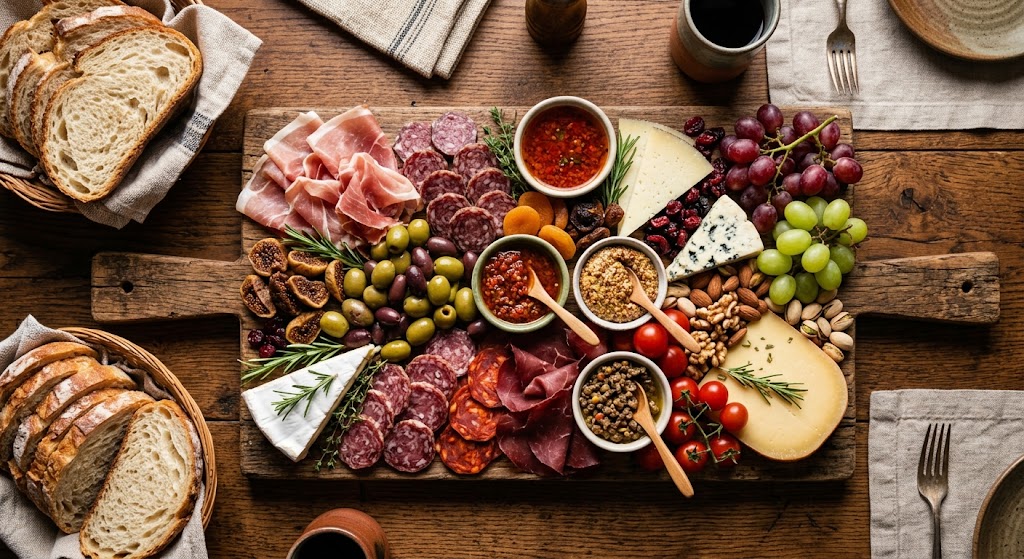
Brazilian cuisine is famous for its bold flavors, regional diversity, and deep cultural roots. Among its many culinary treasures, Piçada stands out as a dish connected to tradition, community, and the art of combining simple ingredients into something memorable. While many Brazilian foods have gained international recognition, Piçada remains a fascinating example of how local cooking traditions preserve history through taste.
Unlike globally recognized dishes such as feijoada or pão de queijo, Piçada represents a more regional and intimate side of Brazilian gastronomy. It reflects the creativity of Brazilian cooks who have long transformed fresh ingredients, indigenous influences, Portuguese techniques, and local resources into dishes full of personality.
The story of Piçada is not only about food. It is about family gatherings, regional identity, preparation methods, and the connection between Brazilian communities and their culinary heritage.
This detailed guide explores the origins, ingredients, preparation styles, cultural importance, variations, and modern popularity of Piçada, helping food lovers understand why this traditional dish continues to attract attention.
What Is Piçada? Understanding the Traditional Brazilian Dish
Piçada is a Brazilian culinary preparation known for its combination of carefully selected ingredients, rich seasoning, and traditional cooking techniques. The name itself is associated with the idea of preparation through chopping, mixing, or creating a flavorful combination of components.
Depending on the region, Piçada can have different interpretations. Brazilian cuisine changes dramatically from one state to another, and many traditional dishes develop unique variations based on available ingredients and local customs.
At its heart, Piçada represents a style of cooking where flavor balance matters most. The dish often highlights:
- Fresh local ingredients
- Traditional Brazilian spices
- Slow preparation techniques
- Regional culinary influences
- A strong connection to family meals
Rather than being a single fixed recipe, Piçada can be viewed as part of Brazil’s wider tradition of adaptable and community-driven cooking.
The Origins and History Behind Piçada
The history of Piçada is closely linked to Brazil’s multicultural culinary development. Brazilian food has evolved through centuries of interaction between Indigenous communities, Portuguese settlers, African traditions, and immigrant cultures.
Each influence contributed something important:
- Indigenous Brazilians introduced native ingredients and natural cooking methods.
- Portuguese settlers brought European preparation styles and preservation techniques.
- African communities contributed powerful seasoning traditions and cooking creativity.
- Immigrant groups added regional variations and new combinations.
The development of Piçada reflects this blending of cultures. Like many Brazilian dishes, its identity comes from adaptation rather than strict rules.
Traditional recipes were often passed orally from one generation to another. Grandparents taught younger family members how to prepare dishes by observing texture, aroma, and taste instead of following exact measurements.
That personal connection is one reason why Piçada remains culturally meaningful.
Why Piçada Holds Cultural Importance in Brazil
Food in Brazil is more than something people eat. It is a social experience. Meals often represent connection, celebration, and belonging.
Piçada carries this same cultural value because traditional dishes are frequently prepared during:
- Family gatherings
- Community celebrations
- Regional festivals
- Weekend meals
- Special occasions
The preparation process itself often becomes part of the experience. Several people may participate, sharing stories while cooking together.
This communal approach reflects a major characteristic of Brazilian food culture: meals are designed to bring people closer.
A dish like Piçada preserves memories. A specific flavor can remind someone of childhood, a hometown, or a family tradition that has existed for decades.
Key Ingredients Commonly Associated With Piçada
Although recipes vary, traditional Piçada preparations usually focus on fresh ingredients and strong flavors.
Common components may include:
Fresh Herbs and Seasonings
Brazilian cuisine relies heavily on aromatic ingredients. Herbs add depth and create the distinctive character associated with many traditional dishes.
Frequently used seasonings include:
- Garlic
- Onions
- Cilantro
- Parsley
- Peppers
- Regional spice blends
These ingredients create layers of flavor without overwhelming the main components.
Locally Available Ingredients
One defining feature of Piçada is flexibility. Brazilian cooks traditionally use ingredients that are easily available in their region.
Depending on location, variations may include:
- Fresh vegetables
- Seafood
- Meat
- Tropical ingredients
- Local spices
This adaptability explains why different communities may prepare Piçada in slightly different ways.
How Traditional Piçada Is Prepared
The preparation of Piçada reflects Brazilian cooking philosophy: patience, freshness, and attention to detail.
While recipes differ, the general process often involves several important stages.
Selecting Quality Ingredients
The first step is choosing fresh ingredients. Traditional cooks understand that the quality of the raw materials determines the final taste.
Fresh produce, carefully selected proteins, and authentic seasonings create the foundation of the dish.
Preparing the Flavor Base
Brazilian cooking frequently begins with building a strong aromatic base.
Ingredients such as garlic, onions, herbs, and spices are prepared first to release their natural flavors.
This stage is essential because it creates the depth that defines many Brazilian recipes.
Combining and Balancing Flavors
The ingredients are then combined carefully. The goal is not simply adding more seasoning but achieving harmony between different tastes.
A successful Piçada balances:
- Savory flavors
- Fresh aromas
- Natural sweetness
- Mild heat
- Regional characteristics
Regional Variations of Piçada
Brazil is enormous, and every region has its own food identity. The same traditional dish can transform depending on local ingredients and cultural influences.
Coastal Influences
In coastal areas, Brazilian cuisine often incorporates seafood and tropical flavors.
A coastal version of Piçada may emphasize:
- Fresh fish
- Shellfish
- Coconut-based flavors
- Local herbs
The result reflects Brazil’s relationship with the ocean.
Inland Brazilian Traditions
Interior regions often rely more heavily on agricultural products and locally raised ingredients.
These versions may feature:
- Farm-fresh vegetables
- Regional meats
- Rustic cooking methods
The preparation often reflects rural Brazilian lifestyles.
Piçada Compared With Other Brazilian Dishes
Brazilian cuisine includes hundreds of famous dishes, but Piçada has its own identity.
Piçada vs Feijoada
Feijoada is one of Brazil’s most internationally recognized dishes. It is a hearty black bean stew traditionally prepared with different cuts of meat.
Piçada, on the other hand, represents a different style of Brazilian cooking focused on regional preparation and ingredient combinations.
Piçada vs Moqueca
Moqueca is a famous Brazilian seafood stew made with fish, coconut milk, peppers, and spices.
While both dishes highlight Brazilian flavors, Piçada demonstrates the diversity of local cooking traditions beyond the country’s most famous recipes.
The Modern Popularity of Piçada
Brazilian food has become increasingly popular worldwide. Restaurants, chefs, and food enthusiasts are exploring traditional dishes that were once known mainly within local communities.
The growing interest in Piçada comes from several factors:
- Increased appreciation for authentic regional cuisine
- Interest in cultural food experiences
- Growth of Brazilian restaurants internationally
- Social media exposure of traditional recipes
Modern chefs are also experimenting with traditional dishes while respecting their original identity.
Some contemporary versions maintain classic flavors while presenting the dish in more creative ways.
Health and Nutritional Aspects of Piçada
The nutritional value of Piçada depends on the ingredients used, but many traditional versions can provide important nutrients.
Potential benefits include:
- Protein from meat or seafood ingredients
- Vitamins from fresh vegetables and herbs
- Minerals from natural ingredients
- Healthy fats depending on preparation methods
Using fresh ingredients and balanced portions can make Piçada part of a nutritious eating pattern.
However, nutritional content changes significantly between regional variations.
How to Experience Authentic Piçada at Home
For those who want to explore Brazilian cuisine, preparing Piçada can be an enjoyable culinary experience.
Helpful tips include:
- Use fresh ingredients whenever possible.
- Avoid overpowering the dish with too many spices.
- Respect traditional flavor combinations.
- Allow ingredients enough time to develop their taste.
- Learn about the regional background of the recipe.
Cooking traditional food is not only about following instructions. It is about understanding the culture behind the meal.
Why Piçada Represents Brazilian Culinary Heritage
Traditional dishes survive because they carry meaning beyond flavor.
Piçada represents:
- Cultural preservation
- Family traditions
- Regional creativity
- Brazilian hospitality
- Connection between generations
Every preparation tells a story. The ingredients may change, but the cultural importance remains.
That is what makes traditional foods valuable. They preserve memories in a form people can experience through taste.
Frequently Asked Questions About Piçada
What is Piçada in Brazilian cuisine?
Piçada is a traditional Brazilian dish associated with regional cooking traditions, fresh ingredients, and flavorful preparation methods. The exact recipe varies depending on the region and local culinary influences.
Where did Piçada originate?
The origins of Piçada are connected to Brazil’s diverse culinary history, which combines Indigenous, Portuguese, African, and regional influences. Like many traditional foods, it developed through generations of local adaptation.
What ingredients are used in Piçada?
The ingredients used in Piçada depend on the specific variation. Common elements may include fresh herbs, vegetables, spices, and regional proteins or locally available ingredients.
Is Piçada similar to other Brazilian dishes?
While Piçada shares characteristics with many Brazilian dishes, such as strong seasoning and fresh ingredients, it has its own identity based on regional preparation styles and cultural traditions.
Can Piçada be made at home?
Yes, Piçada can be prepared at home by using fresh ingredients and adapting the recipe according to available resources. The most important part is maintaining the balance of flavors and respecting traditional techniques.
Final Thoughts: Discover the Story Behind Piçada
Piçada is more than a traditional Brazilian dish. It is a reflection of Brazil’s history, diversity, and love for meaningful food experiences.
From regional kitchens to modern culinary spaces, this dish demonstrates how simple ingredients can become a powerful expression of culture. Its variations show the creativity of Brazilian communities and the importance of preserving traditional recipes.
If you want to explore authentic Brazilian cuisine, start by learning about Piçada and the traditions behind it. Try preparing it, discover its regional variations, and experience how food can connect people with history, family, and culture.