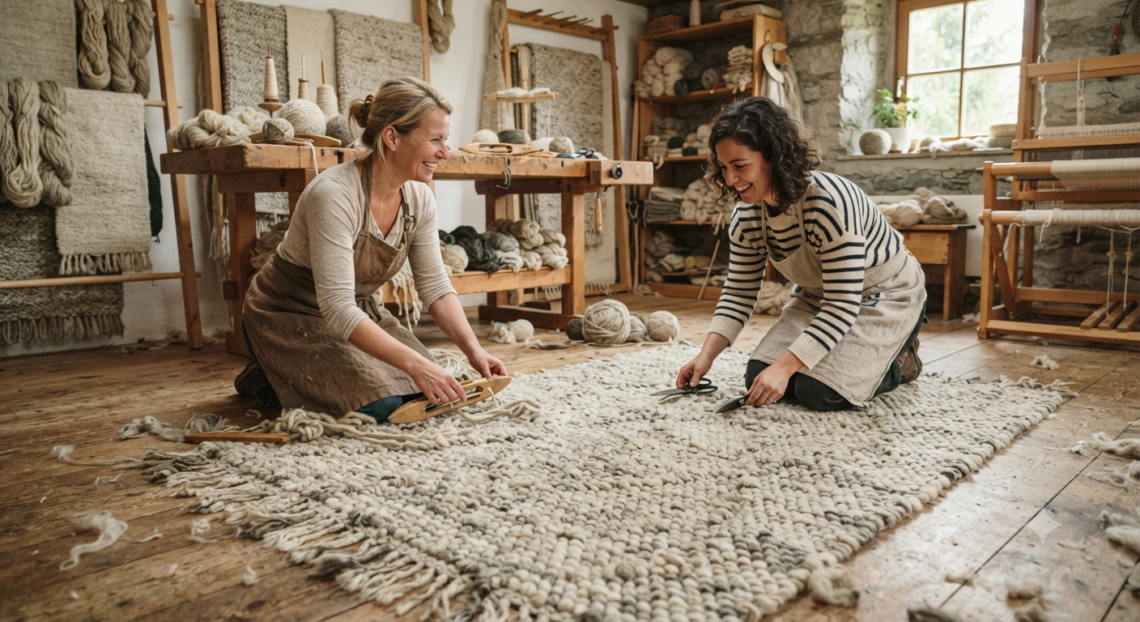
The word sounds like a relic from an older, more intentional era: Wollmatten. Literally translating to “wool mats” from German, these pieces are far more than simple floor coverings. While modern home goods are often mass-produced from synthetic, petroleum-based plastics, Wollmatten offer a return to natural, high-performance materials that have served homes for centuries.
Whether you are looking to improve your studio’s acoustics, find a biodegradable solution for your garden, or simply add a layer of genuine comfort to your living space, understanding these mats is a game-changer. They aren’t just decor; they are a functional, sustainable investment in your daily environment.
What Exactly Are Wollmatten?
At their core, Wollmatten are mats crafted from natural sheep’s wool, processed into a dense, resilient form. They aren’t just a simple rug—they are a feat of engineering without the chemicals. Manufacturers create these by using various methods:
-
Felting: Fibers are compressed using heat and moisture, bonding them together without any adhesives or binders.
-
Weaving: Traditional artisan techniques create structured, durable patterns.
-
Needle-Punching: A mechanical process that tangles fibers into a firm, shape-retaining structure.
The result is a product that is inherently soft yet remarkably tough. Because they utilize natural fibers, they don’t carry the “precious” nature of synthetic rugs; they are designed for real, messy, active life.
The Sustainability Factor
In an age of microplastics, Wollmatten stand out as a beacon of ecological responsibility. Unlike nylon or polyester mats that shed harmful particles every time you walk on or wash them, wool is a renewable, biodegradable resource.
Sheep are shorn periodically, and the wool grows back—a natural, cyclical process. When a high-quality wool mat finally reaches the end of its decades-long lifespan, it doesn’t sit in a landfill for a century. It returns to the earth, fully biodegradable. By choosing these, you are actively reducing your reliance on synthetic manufacturing processes that consume massive amounts of energy and fossil fuels.
Where Wollmatten Truly Shine
Most people think of mats as simple entryway accessories, but the versatility of a Wollmatten allows it to function in surprising spaces.
1. The Creative Workspace
If you spend hours standing at a standing desk or in a studio, the physical toll adds up. Wool provides a natural cushion that is easier on the joints than hard flooring or synthetic foam mats. Beyond the physical comfort, they offer exceptional acoustic properties. By dampening sound, they create a calmer, more focused environment—essential for deep work and creative flow.
2. The Garden and Landscape
This is perhaps the best-kept secret of the Wollmatten world. When placed over soil, these mats act as a natural, biodegradable alternative to plastic landscape fabric. They serve several critical purposes:
-
Weed Suppression: They block sunlight from reaching weed seeds without chemicals.
-
Moisture Retention: They buffer temperature shifts, keeping roots cool in the summer and protected in the cooler months.
-
Nutrient Cycling: As they slowly break down, they release small amounts of nitrogen directly into your soil.
Longevity and Care: Keeping Your Mat Pristine
Maintaining Wollmatten is surprisingly simple because wool is naturally resistant to dirt and odor. To keep them in top shape:
-
Rotate Regularly: Distribute the wear to prevent “traffic patterns” in high-use areas.
-
Gentle Cleaning: Avoid aggressive machine washing. A simple, occasional vacuuming or hand-washing with cool water is usually plenty.
-
Reviving the Pile: If your mat looks flat, let it “breathe” in a humid environment, like a bathroom while you take a hot shower. The moisture helps the fibers regain their natural spring and loft.
Frequently Asked Questions (FAQ)
1. Are Wollmatten suitable for high-traffic areas?
Yes. Because wool fibers are naturally resilient and elastic, they hold their shape under pressure far better than synthetic alternatives, making them ideal for high-traffic entryways or workspaces.
2. How do I stop a wool mat from smelling like sheep?
High-quality mats are thoroughly cleaned during production. If you notice a faint, natural scent, simply air the mat out in a shaded, well-ventilated area for a day or two.
3. Can I use these outdoors permanently?
While they are excellent for gardens, remember that they are biodegradable. If left in constant contact with damp soil, they will eventually break down. This is perfect for garden beds, but for patio decor, keep them on a porch where they can stay relatively dry.
4. Do I need to use an anti-slip pad?
Depending on the weave and the surface you are placing the mat on, a natural rubber underlay is often a good idea to ensure it stays firmly in place.
5. Are they hypoallergenic?
Many people find wool to be perfectly comfortable. However, if you have a known severe sensitivity to lanolin or raw wool, it is worth checking the specific processing method of the mat before purchase.
Final Thoughts: Make the Switch The shift toward Wollmatten is a shift toward a more intentional lifestyle. By replacing mass-produced, synthetic mats with these naturally durable, eco-friendly alternatives, you are improving your home’s comfort while supporting sustainable practices. Don’t wait for your next room refresh; start by adding a piece that actually gives back to the environment. Choose quality, choose natural, and let your floors reflect your values.