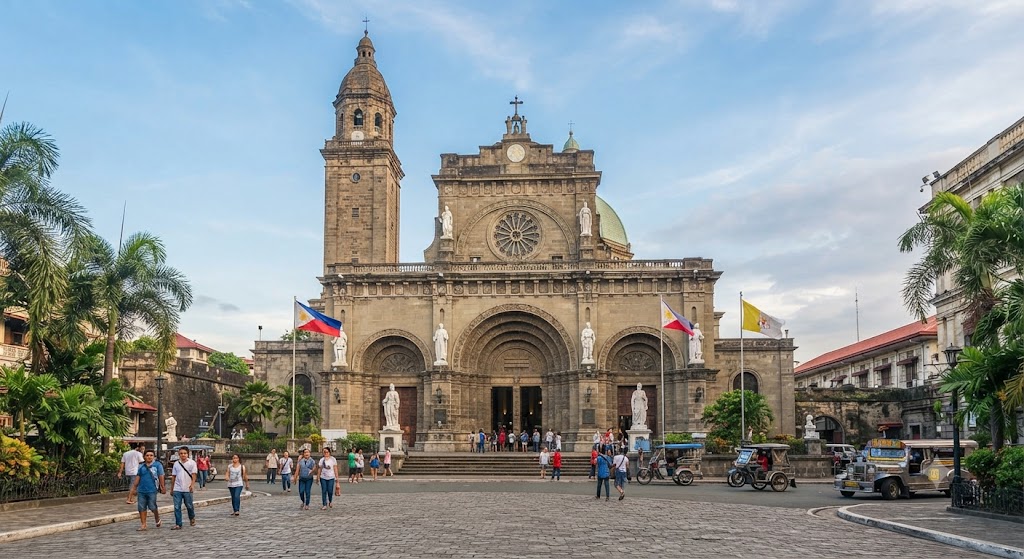
A Manila Philippines church is more than a place of worship. It is a living symbol of the country’s deep Catholic traditions, colonial history, architecture, and community life. From centuries-old stone churches inside Intramuros to modern sanctuaries serving thousands of worshippers every week, churches in Manila represent the connection between faith and Filipino identity.
The Philippines is one of the largest Catholic countries in Asia, and Manila has long been the center of religious activity. Visitors searching for a Manila Philippines church often discover much more than beautiful buildings. They find historical landmarks, artistic treasures, peaceful spaces, and stories that shaped the nation.
Whether you are planning a cultural tour, attending Mass, exploring Spanish colonial architecture, or looking for a meaningful spiritual experience, Manila offers remarkable churches worth visiting.
This guide explores the most famous churches, their history, architecture, religious importance, and practical visitor information.
Why Manila Philippines Church Sites Are Important
Churches in Manila played a major role in the development of Filipino society. During the Spanish colonial period, churches became centers of education, governance, community gatherings, and religious practice.
Many historic churches survived earthquakes, wars, and changing political eras. Their walls preserve centuries of Filipino history.
A visit to a Manila Philippines church allows travelers to experience:
- Spanish colonial architecture with stone structures and artistic details
- Catholic traditions including Mass celebrations and religious festivals
- Historical landmarks connected to Philippine heritage
- Local community culture beyond typical tourist attractions
- Religious artwork featuring paintings, sculptures, and intricate designs
These churches are not only destinations for Catholics. They are important cultural landmarks for anyone interested in history, architecture, and Southeast Asian heritage.
Famous Manila Philippines Church Destinations to Visit
San Agustin Church: The Oldest Stone Church in Manila
San Agustin Church is one of the most famous examples of a Manila Philippines church and a UNESCO World Heritage Site.
Built during the Spanish colonial era, the church was completed in 1607 and has survived several major earthquakes. Its thick stone walls and Baroque design make it one of the most impressive religious buildings in the country.
Inside, visitors can admire:
- Elaborate ceiling paintings creating a three-dimensional illusion
- Historical religious artwork
- Antique furniture and artifacts
- The nearby San Agustin Museum showcasing Filipino religious history
The church remains an active place of worship, hosting weddings, Mass celebrations, and religious events.
For history lovers, San Agustin Church is often considered a must-see attraction in Manila.
Manila Cathedral: The Heart of Catholic Manila
Manila Cathedral stands in Plaza de Roma inside historic Intramuros. Officially known as the Minor Basilica and Metropolitan Cathedral of the Immaculate Conception, it serves as the main cathedral of the Archdiocese of Manila.
The cathedral has been rebuilt several times because of earthquakes, fires, and wartime destruction. The current structure reflects decades of restoration work.
Important features include:
- Romanesque architectural influences
- Beautiful stained-glass windows
- Large pipe organs
- Grand interior spaces suitable for major Catholic celebrations
Many visitors include Manila Cathedral when exploring old Manila because it represents both religious importance and national history.
Quiapo Church: Home of the Black Nazarene Devotion
Quiapo Church is one of the busiest and most recognized churches in the Philippines.
The church is famous for housing the Black Nazarene, a dark-colored wooden statue of Jesus Christ carrying the cross. Millions of devotees participate in the annual Feast of the Black Nazarene, one of the largest religious gatherings in the world.
A visit to Quiapo Church offers a unique look into Filipino Catholic devotion.
Visitors can experience:
- Daily Mass celebrations
- Traditional religious practices
- Street markets surrounding the church
- Local Manila culture and community life
The atmosphere is energetic and deeply connected to Filipino spirituality.
The Architecture Behind Manila Philippines Church Landmarks
The architecture of a Manila Philippines church reflects centuries of cultural influence.
Spanish missionaries introduced European church designs, but Filipino builders adapted them to local conditions. The result was a unique architectural style combining European, Asian, and indigenous elements.
Common Architectural Features
Many historic churches in Manila feature:
Massive stone walls
Churches were designed to withstand earthquakes, tropical weather, and military conflicts.
Baroque influences
Curved designs, decorative facades, and detailed interiors became common during the Spanish period.
Bell towers
Many churches included separate or attached bell towers that served religious and community purposes.
Religious artwork
Paintings, statues, and carvings were used to communicate biblical stories to communities.
The architecture tells a story of adaptation. Filipino churches were not simple copies of European buildings. They became uniquely Filipino expressions of faith.
Best Historic Churches Near Manila Philippines Church Areas
Travelers exploring Manila can visit several remarkable religious landmarks within short distances.
Minor Basilica of San Lorenzo Ruiz
Located in Binondo, this church is connected to Chinese-Filipino Catholic history. It honors San Lorenzo Ruiz, the first Filipino saint.
The church represents the cultural diversity of Manila, especially the historic Chinese community.
Malate Church
Malate Church is a historic church near Manila Bay.
Known for its charming location and traditional architecture, it is dedicated to Our Lady of Remedies. Many visitors appreciate its peaceful atmosphere away from the busy city streets.
Santa Cruz Church
Located in one of Manila’s oldest districts, Santa Cruz Church reflects the city’s multicultural history.
The church has undergone reconstruction but remains an important religious landmark.
Attending Mass at a Manila Philippines Church
Many visitors want to attend Mass during their stay. Catholic services are widely available throughout Manila.
Typical Mass schedules include:
- Morning weekday Masses
- Evening services after working hours
- Weekend and Sunday celebrations
- Special holiday services
Before visiting, check the official church schedule because times may change during:
- Holy Week
- Christmas season
- Special religious events
- Local festivals
Filipino churches are generally welcoming to visitors, but respectful behavior is expected.
Tips for Visiting a Manila Philippines Church
A church visit in Manila can be both meaningful and enjoyable with proper preparation.
Dress Respectfully
Most churches do not require formal clothing, but visitors should avoid extremely casual outfits.
Recommended:
- Covered shoulders
- Modest clothing
- Comfortable shoes
Historic churches often involve walking through old districts with uneven streets.
Visit During Less Crowded Hours
For photography and quiet reflection, consider visiting:
- Early morning
- Mid-afternoon on weekdays
Large churches can become crowded during:
- Sunday Mass
- Religious festivals
- Wedding ceremonies
Respect Religious Activities
When visiting a Manila Philippines church, remember that these are active places of worship.
Visitors should:
- Keep voices low
- Avoid interrupting prayers
- Ask permission before photographing ceremonies
- Follow posted rules
Manila Philippines Church and Filipino Culture
Churches are deeply connected to Filipino traditions. Religious celebrations often combine Catholic beliefs with local customs.
Major events include:
Feast of the Black Nazarene
This annual celebration attracts millions of devotees and demonstrates the strength of Filipino religious devotion.
Holy Week Traditions
During Holy Week, churches across Manila become centers of prayer, reflection, and community gatherings.
Christmas Celebrations
The Philippines has one of the longest Christmas seasons in the world. Churches play a central role in celebrations such as Simbang Gabi, a nine-day series of early morning Masses.
A Manila Philippines church often serves as the heart of neighborhood life.
Photography and Tourism at Manila Churches
Historic churches provide excellent opportunities for photography because of their:
- Colonial facades
- Religious artwork
- Ancient stone structures
- Interior details
However, visitors should balance photography with respect.
Useful photography tips:
- Use natural light when possible
- Avoid flash during services
- Capture architectural details
- Visit during quieter hours
Some churches and museums may have separate photography policies.
How to Plan a Manila Philippines Church Tour
A church-focused Manila itinerary can easily fit into one or two days.
Suggested One-Day Church Route
Morning
- Start in Intramuros
- Visit Manila Cathedral
- Explore San Agustin Church and Museum
Afternoon
- Visit Binondo churches
- Explore Quiapo Church
- Experience nearby markets and historic streets
Evening
- Attend Mass at a local church
- Enjoy Manila’s historic districts
This route combines religion, architecture, food, and cultural exploration.
Why Travelers Should Explore Manila Churches
Many tourists focus only on shopping malls, beaches, and modern attractions. However, historic churches reveal another side of Manila.
They show:
- How religion shaped Filipino communities
- How architecture survived natural disasters
- How traditions continue across generations
- How history remains visible in everyday life
A church visit provides a deeper understanding of Manila beyond ordinary sightseeing.
Frequently Asked Questions About Manila Philippines Church
What is the most famous Manila Philippines church?
The most famous Manila Philippines church is often considered San Agustin Church because it is the oldest stone church in Manila and a UNESCO World Heritage Site. Manila Cathedral and Quiapo Church are also among the city’s most important religious landmarks.
Are Manila churches open to tourists?
Yes, many historic churches in Manila welcome tourists. Visitors can usually enter outside of Mass hours, although some areas may have restrictions during religious ceremonies or special events.
Which Manila Philippines church is best for history lovers?
San Agustin Church inside Intramuros is the top choice for history enthusiasts. Its architecture, museum collections, and survival through centuries make it one of the most valuable heritage sites in the Philippines.
Can visitors attend Mass in Manila churches?
Yes. Most churches offer regular Mass schedules throughout the week. Visitors should check current schedules before arriving because service times can change.
What should I wear when visiting a church in Manila?
Visitors should wear respectful clothing. Comfortable but modest outfits are recommended, especially when entering historic Catholic churches where religious services may be happening.
Final Thoughts: Experience the Heritage of Manila Philippines Church Sites
Exploring a Manila Philippines church offers a unique journey through faith, history, architecture, and Filipino culture. These churches are not simply old buildings. They are active spiritual centers that have witnessed centuries of change.
Start your visit with the historic churches of Intramuros, explore famous landmarks like San Agustin Church and Manila Cathedral, and take time to appreciate the stories behind each structure.
For travelers seeking an authentic Manila experience, visiting these churches is one of the best ways to understand the city’s past and present. Plan your route, respect local traditions, and discover the remarkable heritage preserved inside Manila’s sacred spaces.