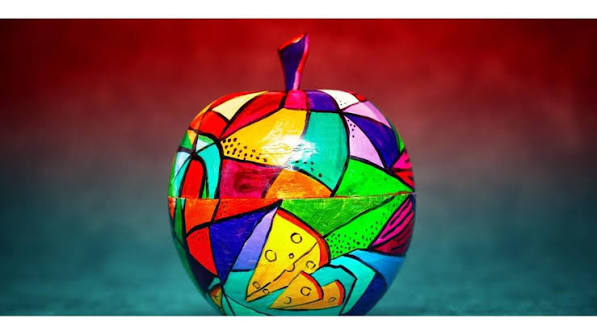
Quartist is a term that appears in some online discussions of multidisciplinary creativity. It can be used informally to describe a creator who explores different artistic fields, such as visual design, photography, music, writing, and digital media. Rather than depending on one creative medium, this approach focuses on combining different skills to develop original projects. However, Quartist does not have one officially established definition, and its meaning depends on the context in which it appears. Understanding this distinction is important because the term also has unrelated uses in science and typography. In the context of modern creativity, it provides an interesting way to discuss how artists experiment with different methods and expand their creative possibilities.
Quick Information Table
| Data Point | Information |
|---|---|
| Term | Quartist |
| Context | Emerging creative terminology |
| General Interpretation | Multidisciplinary creator |
| Definition Status | Not universally standardized |
| Creative Fields | Art, design, music, and writing |
| Digital Applications | Photography, animation, and digital media |
| Main Approach | Combining creative disciplines |
| Important Skills | Imagination and adaptability |
| Learning Style | Continuous skill development |
| Collaboration | Working across creative fields |
| Technology | Digital creative tools |
| Possible Projects | Multimedia and visual storytelling |
| Professional Identity | Informal and context-dependent |
| Main Purpose | Exploring different forms of expression |
1. Understanding the Meaning of Quartist
Quartist can be understood as an emerging term for a creative individual who works across different artistic disciplines instead of limiting their activities to one particular medium. For example, someone might combine photography, graphic design, music production, and storytelling to develop a complete creative project. The important feature is not simply having several hobbies but connecting different abilities to communicate a unified idea. This approach encourages artists to explore unfamiliar techniques and discover relationships between creative subjects. Because the term does not have one universally accepted definition, Quartist is better understood as a flexible creative identity than as a formally recognized professional title. Its value comes from the broader philosophy of combining imagination, knowledge, and artistic experimentation.
2. How Modern Creativity Is Changing Traditional Art
Traditional art has always included different forms of creative collaboration and experimentation. Painters, musicians, writers, designers, and performers have explored ways to combine their skills throughout history. Modern technology has made these connections easier by providing accessible tools for digital illustration, animation, sound production, and interactive design. For example, an artist can develop an illustration, transform it into an animation, add original music, and present the finished project through a digital platform. This does not mean combining artistic disciplines is a completely new idea. Instead, contemporary technology provides additional ways to explore established creative practices. In this context, Quartist can be used as an informal description of a multidisciplinary approach to artistic expression.
3. The Role of Technology in Creative Expression
Technology has significantly expanded the possibilities available to contemporary artists. Digital drawing applications, photography software, animation programs, audio editors, and three-dimensional design tools allow creators to experiment with different formats. A person who previously needed separate professional equipment for several activities can now access many creative functions through a computer or tablet. These tools make experimentation more convenient and allow artists to develop ideas through repeated adjustments. Technology also helps creators share their work with international audiences without depending entirely on traditional exhibition spaces. For someone following the Quartist approach, digital tools are useful because they connect different creative processes and make it easier to transform an initial idea into a complete artistic experience.
4. Combining Different Artistic Disciplines
One of the most interesting aspects of Quartist is the opportunity to connect different forms of artistic expression. Visual art can communicate emotions through colour and composition, while music can establish atmosphere and storytelling can provide context. When these elements work together, they can create an experience that is more engaging than any individual component. For example, an artist might develop a visual story supported by original sound and animated illustrations. Another creator might combine photography with poetry to communicate a personal or social message. These combinations demonstrate how different disciplines can strengthen one another. However, successful multidisciplinary work requires planning because every element should contribute meaningfully to the central creative idea.
5. Why Originality Matters in the Quartist Approach
Originality is an important part of meaningful artistic expression. Modern audiences encounter large amounts of digital content every day, making distinctive ideas valuable for creators who want their work to attract attention. A Quartist-inspired approach encourages individuals to draw inspiration from different subjects while developing their own artistic direction. This does not require inventing something completely unfamiliar. Originality can also come from presenting familiar ideas through an unexpected combination of techniques, materials, or perspectives. Artists should understand the difference between inspiration and imitation. Studying established creative work can improve knowledge, but successful personal expression requires individual decisions, thoughtful experimentation, and a recognizable creative purpose.
6. Collaboration and Shared Creative Experiences
Creative collaboration allows people with different professional abilities to contribute to a shared project. A graphic designer might work with a musician, filmmaker, photographer, or software developer to produce a multimedia experience. Each participant brings different knowledge and creative perspectives, helping the project develop in new directions. This type of teamwork is not exclusive to Quartist or any particular creative identity; it is an established part of artistic production. However, the multidisciplinary approach associated with Quartist provides a useful way to understand how different skills can work together. Successful collaboration requires clear communication, realistic responsibilities, mutual respect, and a shared creative objective.
7. The Influence of Digital Platforms on Artists
Digital platforms have changed how artists introduce their work to the public. Websites, online portfolios, video-sharing services, and social media provide opportunities to display creative projects and communicate directly with audiences. These platforms also allow artists to experiment with different presentation styles and understand which types of content attract interest. A multidisciplinary creator can use one platform to display illustrations, another to share music, and a personal website to present complete projects. For Quartist-inspired creators, this flexibility makes it possible to develop a recognizable identity across different channels. Nevertheless, online visibility should not become the only measure of artistic success. Quality, originality, and meaningful communication remain essential.
8. Essential Skills for a Modern Multidisciplinary Artist
Working across different creative fields requires more than imagination alone. Artists need practical abilities that help them develop, organize, and communicate their ideas. Visual understanding, storytelling, technical knowledge, problem-solving, and communication are particularly useful. Time management is also important because learning several disciplines can become difficult without a clear schedule. A creator does not need to become an expert in every available field. Developing strong knowledge in one primary discipline and gradually learning complementary skills is often a more realistic approach. This balance allows artists to maintain professional quality while exploring new opportunities. The Quartist philosophy therefore encourages continuous learning without treating versatility as a replacement for genuine expertise.
9. Challenges of Breaking Creative Boundaries
Although multidisciplinary creativity offers many possibilities, it also introduces challenges. Learning different techniques requires time, practice, and sometimes financial investment in equipment or software. Artists may also struggle to explain their professional identity when their work does not fit familiar categories. Another difficulty is maintaining consistent quality across several disciplines. Exploring too many subjects without developing sufficient knowledge can result in unfinished or poorly connected projects. These problems can be addressed through realistic planning and a clear creative direction. Instead of attempting to master everything simultaneously, artists should select related disciplines and develop them gradually. A successful creative identity depends on thoughtful integration rather than simply collecting different skills.
10. Quartist and the Future of Creative Careers
The modern creative economy includes opportunities in graphic design, digital media, entertainment, advertising, education, and interactive experiences. Professionals who understand multiple creative processes may find it easier to communicate with different teams and contribute to projects requiring varied skills. For example, someone with knowledge of visual design and storytelling may help develop promotional campaigns, educational materials, or digital experiences. However, multidisciplinary abilities do not automatically guarantee employment or financial success. Professional opportunities still depend on portfolio quality, experience, communication, and market demand. Quartist can provide a useful way to describe a flexible creative direction, but artists should also use recognizable professional descriptions when presenting their services to potential clients.
11. The Relationship Between Artificial Intelligence and Creativity
Artificial intelligence is introducing additional possibilities into modern creative work. AI-powered applications can assist with brainstorming, image development, editing, research, and other production activities. These tools may help artists explore several versions of an idea more efficiently. However, technology should support creative judgment rather than replace it. Human imagination, cultural understanding, personal experiences, and ethical decisions remain important when developing meaningful artistic work. Quartist-inspired creators can explore AI alongside traditional methods while maintaining responsibility for their final results. They should also consider copyright, permissions, transparency, and the terms governing the tools they use. The strongest creative outcomes come from using technology thoughtfully while preserving a clear artistic purpose.
12. How Beginners Can Develop a Quartist Mindset
Beginners do not need expensive equipment or professional experience to explore multidisciplinary creativity. A practical starting point is choosing one familiar artistic activity, such as drawing, photography, writing, or music. After developing basic confidence, they can introduce a related discipline and experiment with combining the two. For example, a beginner interested in photography could learn basic graphic design and create visual stories using original photographs. Keeping a portfolio of completed projects can help track improvement and identify strengths. Seeking constructive feedback from other creators is also useful because different perspectives can reveal opportunities for improvement. Most importantly, beginners should remain patient and focus on developing meaningful skills rather than rushing to adopt a creative label.
13. Why Quartist Reflects a Broader Creative Perspective
Quartist provides an interesting way to discuss the relationship between different artistic disciplines, although it should not be treated as a formally recognized art movement or professional qualification. Its creative interpretation focuses on individuals who explore multiple skills and combine different methods to communicate their ideas. For example, a designer might use photography, illustration, and storytelling to develop a complete visual project. This approach demonstrates that artistic expression does not always need to remain within one traditional category. However, multidisciplinary creativity does not make specialization less valuable. Artists can develop expertise in one field while exploring complementary disciplines when a project requires them. Ultimately, the importance of this creative approach lies in experimentation, practical skills, originality, and the ability to communicate meaningful ideas.
Final Thoughts
Quartist offers an interesting perspective on modern creativity by highlighting the connections between different artistic disciplines. It reflects an approach in which imagination, technology, collaboration, and continuous learning can work together to create new forms of expression. Although the term is still developing and does not represent a universally established artistic profession, the ideas associated with it are relevant to contemporary creative practices. Artists can benefit from exploring different techniques while maintaining strong foundations in their chosen fields. Ultimately, breaking traditional creative boundaries is not about abandoning established art forms. It is about discovering new ways to use them, communicate ideas, and produce work that reflects individual vision and originality.
Frequently Asked Questions (FAQs)
1. What is Quartist?
Quartist is an emerging term associated with multidisciplinary creativity. It describes a flexible creative identity in which individuals explore and combine different artistic disciplines, such as visual art, music, design, storytelling, and digital media. Its exact meaning can vary depending on the context.
2. How does Quartist differ from a traditional artist?
A traditional artist may concentrate primarily on one discipline, such as painting, sculpture, or music. A Quartist-inspired creator explores connections between multiple disciplines and combines them to develop broader creative projects. Both approaches value artistic ability, originality, and professional skill.
3. Can beginners become Quartist creators?
Yes. Beginners can explore this creative approach by starting with one artistic skill and gradually developing related abilities. Practising regularly, experimenting with different techniques, building a portfolio, and learning from feedback can help them become more confident multidisciplinary creators.
4. What skills are important for Quartist creativity?
Important skills include imagination, visual communication, storytelling, technical knowledge, problem-solving, adaptability, and collaboration. Artists should also develop time management and communication abilities. A strong foundation in at least one creative discipline can make exploring additional fields more productive.
5. What is the future of Quartist in modern creativity?
The concept may become more relevant as creative industries continue exploring digital media, interactive experiences, collaboration, and technology-assisted production. However, its long-term recognition as a formal creative identity remains uncertain. Its broader emphasis on combining artistic disciplines is already relevant to modern creative work.